SIGNS & SYMPTOMS: LEARN THE DIFFERENCE
By Sherif Temiyemi
08135921153
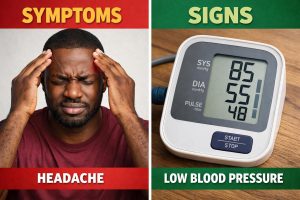
Anytime you see a doctor or pharmacist, one common thing you will hear them ask about is your symptoms.
After asking that, they will also check for some signs.
“I have seen many people use these words interchangeably, and today, I want to explain the clear difference between the two of them”
🏷️SYMPTOMS : This is simply what your body tells you when you’re ill.
Symptoms are the signals of your body that you feel, that others might never notice.
For example headaches, fatigue, dizziness, nausea, back pain ; these are ways your body waves a red flag to help to take an action.
Here’s the truth: two people can have the same illness but feel completely different.
One may feel tired all the time, while the other experiences sharp pain.
Symptoms are subjective, personal, and often the first clue that something is not right.
🏷️TYPES OF SYMPTOMS
-Acute: This type of symptoms are usually sudden and severe : like a migraine
-Chronic: This is slow and persistent, just like an ongoing sinus discomfort or recurrent fatigue.
-Relapsing/Flare-up: This type may improve now and returns later: for example asthma and arthritis.

🏷️SIGNS
These are the signals of the illness that other people can detect
They are what your healthcare provider can see or measure.
They are the clues in your lab tests, physical examinations , or scans that tell can a story that your symptoms have not yet revealed.
Example of Signs are:
-Abnormal blood results (CBC, sugar, cholesterol)
-High or low blood pressure
-Rashes or unusual skin changes
-Irregular heart rate
-Findings on imaging like X-rays, MRIs, mammograms
Sometimes, signs can appear before you feel anything, that’s why regular check-ups are non-negotiable.
A mammogram may catch breast cancer early before you experience any discomfort
Also, a spot on the skin could be an early warning for melanoma.
🏷️WHY BOTH OF THEM MATTER
Think of it like this: symptoms are your personal experiences, but signs are the proof of that thing you feel.
The presence of the both of them gives your healthcare provider the full picture needed to:
-Diagnose accurately
-Order the right tests
-Treat effectively before complications arise
Ignoring symptoms or skipping check-ups can cause silent health conditions like high blood pressure or diabetes to develop or even get complicated.
🏷️WHAT YOU SHOULD DO
-Protect your health by being observant and honest
-Track and report your symptoms, no matter how small.
-Don’t ignore changes your doctor might detect as signs.
-Regular examination and screening help detect health problems before they become health emergencies.